
Dual-Fuel vs. All-Gas Ranges: Which Cooking Performance Matches Your Style?
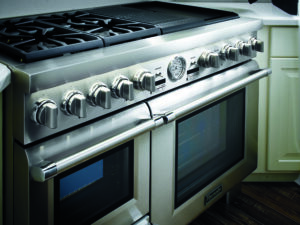
When comparing luxury cooking ranges, the choice between dual-fuel and all-gas options depends on the cooking style of the homeowners. Electric ovens provide dry, stable heat while gas ovens provide moist, intense heat. Regardless, both types of ranges offer impressive, high-output gas cooktop performance.
The primary difference is within the oven, not the cooking surface. Each configuration offers powerful gas burners, rapid heating, built-in griddles, charbroilers, and robust grates. However, the cooking environments provided by their oven systems differ.
When buying luxury cooking appliances, it is not enough to simply count burners and check the quality of the exterior. Buyers must consider their cooking preferences and style along with operating expenses, electrical capacity, gas supply, range and oven size, different cooking modes, and long-term operating needs.
Those who enjoy precision in baking and consistency in cooking across multiple racks often prefer a dual-fuel model. An all-gas model is preferred by cooks who like direct gas heat for a strong broil, prefer less complicated utility systems, and want a cooking system that is closer to a traditional restaurant range.
The Mechanical Breakdown: Defining the Power Sources
The main differentiator among these range configurations is how energy is used to heat the oven. All configurations feature responsive gas burners at the cooking surface. However, the systems used to generate and regulate heat within the ovens differ.
How All-Gas Ranges Generate Heat
All-gas ranges use natural gas or liquid propane for both surface burners and for heating the oven. Fuel is mixed with air and regulated before ignition, allowing both the cooktop burners and the oven burner to produce heat through controlled combustion, which helps maintain a consistent level of heat.
While gas is the primary heat source in the cooktop, oven, and gas broiler (in certain models), electricity is still utilized for spark ignition, oven lights, convection fans, timers, and all of the electronic controls.
How Dual-Fuel Ranges Combine Two Energy Sources
Dual-fuel ranges combine two different fuel source configurations in one unit, pairing a gas cooktop with an electric oven system. They feature gas-powered surface burners to provide an instant flame for searing, boiling, and simmering, while electric ovens use resistance elements to generate heat.
Depending on which mode has been selected, the heating elements at the top, bottom, or back of the cooking cavity may operate individually or in combination. Convection fans circulate heated air to promote even baking and desirable browning, producing even better results when baking on multiple racks.
Residential Engineering with Commercial Influence
Both configurations have elements inspired by commercial kitchen appliances such as high-output burners and heavy-duty grates, as well as wider oven cavities and stronger broilers. Premium residential ranges enhance the design with insulated oven doors, sealed burners, electronic ignition, interior temperature probes, and more control systems for safe use and installation in the home.
Oven Environment Physics: Moist Gas Heat vs. Dry Electric Convection
Inside the cooking cavity, an oven’s heat source changes the cooking environment. With gas, the combustion process introduces water vapor, making the environment more humid. Electric ovens are the opposite, offering a drier, more controlled heat. This atmospheric difference influences surface browning, consistency of baking, and the structure of pastries.
How Gas Combustion Creates Moisture
Burning natural gas or liquid propane creates a chemical reaction producing heat, carbon dioxide, and water vapor. This vapor stays in the oven during the cooking process, making a gas oven more humid than an electric oven.
This added moisture helps the surface of the meat dry more slowly, allowing larger cuts to retain moisture during the cooking process. Because of this, gas ovens are especially effective for roasting all types of meat, including beef, lamb, and poultry, as well as for other types of food that require steady heat without excessive moisture loss.
Dry and Carefully Metered Electric Heat
Electric ovens create a drier cooking environment compared to gas ovens because they do not create combustion. Instead of fuel-burning systems that gas ovens utilize, electric ovens use resistance elements.
Electronic controls carefully meter power to the upper, lower, and rear heating elements to deliver precise and controlled heat, allowing for excellent recovery and browning. These elements can be operated independently to provide heat in a specific direction.
A Practical Comparison of Both Oven Environments
Imagine a chef and a baker working side-by-side. The chef is roasting chicken in a gas oven, while the baker is making croissants in a dual-fuel electric oven. The gas oven helps the chicken develop a crispy skin while also preventing it from losing moisture. The electric oven helps bake the croissants by removing moisture, helping the pastry layers rise, separate, and brown evenly.
These two cooking examples show how different oven heat sources affect moisture content and texture:
[All-Gas Cooking Cavity] → Gas Combustion → Creates Moisture/Vapor → Best for Roasts & Braising
[Dual-Fuel Electric Cavity] → Heating Elements → Creates Dry, Stable Heat → Best for Pastries & Baking
Surface Burner Performance: High-BTU Searing and Ultra-Low Simmers
Cooktop engineering focuses on how well a range manages rapid changes in temperature. Premium professional style ranges use powerful gas flows along with well-placed burner ports, valves, and automatic reignition to allow for extreme cooking, from the most intense sears to the most delicate of simmers, all on the same cooking surface.
High-Output Heat
High-output burners are ideal for boiling, stir-frying, and searing. The unique design of the ports allows for even flame dispersion across the base. Heavy-duty grates maintain an optimal gap for the efficient transfer of heat.
BTU output alone does not define burner performance. Burner diameter, flame shape, gas pressure, the size of the pan, and the cookware’s material are all contributors to the performance. The design of the burner also plays a significant role. An effective design will keep the flame focused under the pan to minimize heat loss and improve searing control.
Ultra-Low Simmer Control
A dual-stack burner has levels of flame within a single burner assembly. The high output level is perfect for boiling and searing, while the lower output flame is ideal for simmering, melting chocolate, holding sauces, and cooking other delicate foods without burning.
The design of patented multi-ring and shaped burner systems also allows for similar flexibility by directing gas through carefully positioned burner ports. This precision is a result of a design that includes gas channels, valves that modulate gas flow with flame hold, and automatic reignition systems that respond to flame loss due to spill or wind.
Wolf burners can provide a wide range of outputs, from a maximum of 20,000 BTU per hour to a minimum of 300 BTU per hour for a gentle simmer. To learn more about each model’s specific ratings, gas requirements, and simmer capabilities, buyers should review the official Wolf technical design specifications.
Technical Specifications Matrix: Comparing Thermal Delivery Systems
Performance on ranges depends on the specific brand and model. The matrix below outlines some real-world system differences and examples, rather than claiming that all ranges hold the same rating for tolerances and burner ratings.
| Performance Attribute | All-Gas Range Configuration | Dual-Fuel Range Configuration |
| Cooktop fuel | Natural gas or liquid propane | Natural gas or liquid propane |
| Oven heat source | Gas burner inside the oven system | Electric resistance heating elements |
| Oven atmosphere | More humid due to combustion-produced water vapor | Drier because no fuel burns inside the oven |
| Temperature control | Gas burner cycles on and off around the set temperature | Electronic controls manage separate heating elements |
| Heat distribution | Gas heat, with fan circulation on convection models | Upper, lower, and rear elements with convection airflow |
| Temperature recovery | Strong recovery, but heat may move more during burner cycling | Measured element control supports steadier recovery |
| Broiler type | Standard gas or high-intensity infrared burner | Electric ribbon, multi-pass, or sheathed element |
| Maximum burner output | Often 15,000–25,000 BTU per hour on premium models | Often 15,000–25,000 BTU per hour on premium models |
| Minimum simmer output | About 300 BTU per hour on select premium burners | About 300 BTU per hour on select premium burners |
| Common electrical supply | Usually 120V for ignition, lights, controls, and fans | Usually a dedicated 208/240V connection |
| Typical circuit demand | Commonly 15 amps, depending on the model | Commonly 30–50 amps, depending on size and oven count |
| Gas connection | Supplies both the cooktop and oven | Supplies the cooktop only |
| Best suited for | Roasting, braising, broiling, and general cooking | Pastries, cakes, soufflés, bread, and multi-rack baking |
A universal ±1°F claim should not be used for dual-fuel ovens unless the manufacturer verifies it for a specific model. Every oven cycle and measured temperature can vary depending on many factors, including oven mode and load, preheating time, probe placement, and even how often the door is opened.
Frequently Asked Questions
Why Are Dual-Fuel Ranges Typically More Expensive?
Dual-fuel ranges have gas cooktops and electric components, which is why they are pricier. Extra parts and complex controls also add to the price. They might also cost more to install because they connect to both gas and a high-voltage electrical circuit.
Does a Dual-Fuel Range Require Specialized Electrical Wiring?
Yes, most dual-fuel ranges need special wiring to install a dedicated 208V or 240V electrical circuit. The circuit also requires a significantly high amp rating, which means a licensed electrician should follow the specifications for the selected model.
Can You Bake Effectively in an All-Gas Pro-Style Range?
Yes, an all-gas pro-style range, especially one with convection, can effectively bake bread, cakes, cookies, and more. However, it may be less effective than an electric range for delicate pastries and multi-rack baking due to higher humidity and wider heat cycles.
Pre-Purchase Installation Validation: Utility Requirements
Before purchasing or installing a new professional range, utility connections must be verified. The specific model’s requirements must be reviewed to ensure that the gas supply, required electrical circuit, outlet location, breaker capacity, as well as the ventilation system and cabinet space.
Electrical Needs for an All-Gas Range
Typically, a gas range connects to a grounded 120V outlet. This supplies power for the electronic igniters, lights, control panel, timer, and the convection fan, while the burners and oven receive heating from gas or propane.
The installer also needs to consider the size of the gas line, inlet pressure of the line, gas line regulator, shutoff valve, and the type of gas. A range converted to propane also requires an approved conversion kit and an adjustment to the burners.
Dual-Fuel Electrical and Gas Connections
Buying a dual-fuel range means you need a gas line for the cooktop and a dedicated 240V electric line for the oven. The bake, broil, and convection elements of a dual-fuel range draw a lot more electricity compared to the controls of an all-gas range.
Many dual-fuel ranges are designed to have a dedicated 40-amp or 50-amp circuit. A licensed electrician will need to determine the right circuit, wiring, grounding, and point of connection to comply with the manufacturer’s requirements and the local electrical code.
Checks Before Delivery
Confirm gas shutoff valve and electrical outlet positions to ensure the range fits against the wall. Also confirm the delivery path, anti-tip bracket, rear clearance, cabinet opening, floor strength, and ventilation capacity prior to installation.
Never determine the circuit size based solely on range width. The electrical requirements differ by manufacturer, by the number of ovens, and by the connected load, and therefore the final utility setup must be based on the product specification sheet.
Experience Culinary Excellence at Universal Appliance and Kitchen Center
The right range is one that reflects the owner’s true cooking style and fits the kitchen layout and utility infrastructure. The specifications should be evaluated for each individual range, including the burner count, oven size, fuel type, convection design, broiler system, ventilation, and electrical load.
Universal Appliance and Kitchen Center invites you to explore all-gas and dual-fuel configurations right in the showroom. Buyers can look at the differences before deciding by trying out things like how far apart the burners are, how heavy the grates are, how responsive the controls are, the size of the oven, how the racks move, how much space the door needs, where the griddle is placed, the outside finishes, and the cooking options and convection oven performance.
Our appliance experts also assist homeowners, builders, architects, and kitchen designers to confirm appliance dimensions and utility requirements. Reviewing these requirements early is important to avoid problems later, like having to change cabinets, dealing with too-small electrical circuits, interrupted gas supply, and ventilation issues.
Visit our showroom to choose a range that helps maximize the searing, simmering, roasting, and baking potential of your culinary creations.
- Appliance Rebates in 2026: How to Compare Brand Promotions Without Buying the Wrong Package
- Luxury Appliance Packages in 2026: How to Match Your Refrigerator, Range, Dishwasher, and Ventilation
- Luxury Laundry Appliances for 2026 Remodels
- Wall-Mounted vs. Deck-Mounted Tub Fillers: Luxury Bathroom Fixture Planning in 2026
- Trash Compactors and Recycling Cabinets: Hidden Kitchen Cleanup Zones for Luxury Remodels in 2026
- Outdoor Hoods for Covered Patio Kitchens
- Column Freezers vs Upright Freezers
- Hood Inserts vs Statement Range Hoods
- Quiet Dishwashers for Open-Concept Luxury Kitchens: dBA Ratings, Drying Systems, and Panel-Ready Design in 2026
- Dual-Fuel vs. All-Gas Ranges: Which Cooking Performance Matches Your Style?