

Wall-Mounted vs. Deck-Mounted Tub Fillers: Luxury Bathroom Fixture Planning in 2026
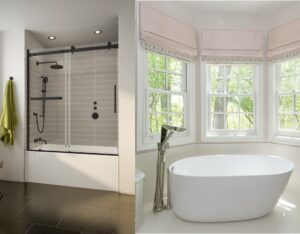
The choice between wall-mounted and deck-mounted tub fillers depends on the type of your bathtub, where water lines are located, and what access service is available.
Wall-mounted tub fillers create a cleaner look, while deck-mounted tub fillers work well when your tub has a wide rim or a built-in platform. Decisions should be made before walls, floors, and tub surrounds are finished. The right filler needs to reach the tub safely and allow proper access to valves and connections.
Floor-mounted fillers may be the better option if no wall or deck is nearby to support a freestanding tub. Early planning unifies the design of the faucet, tub, tile, lights, and other luxury bathroom fixtures that make the whole bathroom aesthetically pleasing.
What Is a Tub Filler?
A tub filler faucet is used to supply both hot and cold water to a bathtub. Traditionally, a tub filler is equipped with a spout, valve or control, and a hand shower for rinsing or washing while seated.
Filling a bathtub basin requires a greater volume of water compared to a sink basin, so they require a different water delivery, spout reach, valve setup, and installation method specific to the tub and the home’s plumbing setup.
The four main installation types are:
- Wall-mounted: In this type, controls and spout project out from a finished wall adjacent to or above the tub.
- Deck-mounted: In this type, components of the tub filler are installed over the tub rim, stone deck, or built platform.
- Floor-mounted: In this type, the fixture is secured to the floor and connected to water lines below the floor.
- Freestanding: This term usually refers to a freestanding tall tub filler. Most freestanding tubs are floor-mounted; however, product terms may differ from manufacturer to manufacturer.
All options are capable of supporting a luxury bathroom, but the most appropriate choice is based on more than looks. Homeowners should consider the tub placement, wall and floor structure, access panels, and spout reach, as well as the product’s installation guide.
Manufacturers diversify design formats. For instance, Brizo tub fillers provide options for various bathroom layouts, while Dornbracht tub fillers show how wall, deck, and freestanding designs can be used in a luxury collection.
Wall-Mounted Tub Fillers: Clean Lines and Rough-In Precision
A wall-mounted tub filler is designed to place the spout and filler controls on the wall as opposed to on the tub or the floor. This design has the benefit of keeping the surrounding area of the tub open and can make the bathroom seem simpler and quieter, and give your bathroom a planned and organized look.
Wall-mounted fixtures are often paired with built-in and wall-adjacent soaking and alcove tubs. They can also be utilized with some freestanding tubs as long as the tub is positioned close to a wall and the selected spout has the right reach.
Why Rough-In Placement Matters
The rough-in consists of the plumbing connections you put behind the finished wall. The rough-in’s position is critical to guarantee the spout extends over the tub’s edge and directs water into it. Confirm tub location, spout reach, wall depth, and the manufacturer’s instructions before wall tiles, stone, or wall panels are added.
Wall Construction and Plumbing Support
A wall-mounted tub filler must be installed with strong support in the wall. Framing must support the valve body, the connections, the spout, and the controls. Because the finish material can affect the final positioning of the product, the plumber and the contractor must consider the product installation guide when they are about to close the wall or start the tiling.
Planning for Future Service Access
It is always beneficial to consider access to valves and connections before finishing the wall. Plumbers may be able to reach them from a closet, cabinet, service panel, or the opposite wall. This will make the inspection, repair, and replacement of parts easier. It also helps reduce the damage to the finished bathroom surfaces.
Best Uses for Wall-Mounted Fillers
Wall-mounted fillers suit alcove tubs, built-in soaking tubs, and bathrooms that have tight floor space. They keep the tub deck unobstructed, allowing tile or stone to be highlighted. They are also helpful for freestanding tubs as long as the tub spout does not hit the tub’s rim.
Deck-Mounted and Freestanding Tub Fillers
A deck-mounted tub filler is installed on a flat, deck-like surface next to the tub. This type of surface can be the top rim of the tub, a tiled surface, or a ledge constructed with stone or tile.
This style of filler is often used with drop-in and built-in bathtubs because they have extra space for a spout and handles and occasionally a hand shower. It can be used in traditional and contemporary styles of bathroom design depending on the shape and style of the fixture.
Planning a Deck-Mounted Installation
When choosing a deck-mounted model, make sure the mounting surface can bear the weight of the fixture. The installer should look at the space beneath the deck and think about where to place values, hoses, and water connections.
The thickness of the deck, the required number of holes, the spacing, and the method of fastening the fixture can differ based on the model and need to be checked against the manufacturer’s specifications prior to cutting the stone, tile, or tub surround.
Service access is important to consider as well. Fully sealing connections beneath the deck can make future access difficult. Access panels can make inspection and repairs much easier in the future.
Deck-mounted fillers allow for more control of the direction of the splash due to the placement of the spout over the rim of the tub. However, the spout must still be positioned far enough above the basin. The water stream must not impact the rim or splash against the inner wall.
Floor-Mounted and Freestanding Options
A freestanding tub filler is usually paired with a freestanding bathtub that has been placed away from walls or platforms. This type of filler rises from the floor and is a great design element for the space.
While providing designers with layout flexibility, this choice does have its limitations. The plumbing work must be completed before the floor is finished. The filler needs to be supported to prevent instability during use.
The filler placement should encourage entry into the tub and not block the main route or other exits around it. The filler should not create a tight cleaning space and should not be used as a support rail.
The placement of a freestanding tub filler is particularly important due to the nature of the design. The plumber, contractor, and filler installer need to collaborate to decide on a mounting system before the final layers of waterproofing and flooring are finished.
Freestanding models usually include a hand shower to assist with rinsing and tub cleaning. The hose and holder can be placed facing the basin to help reduce the amount of water that drips onto the floor from the hand shower.
Plumbing Access, Flow Rate, and Installation Planning
Tub fillers require planning for proper water supply and model-specific installation steps. The valve, rough-in, connections, and additional supports may all differ based on the selected filler. Always refer to manufacturer instructions for all plumbing decisions.
Match the Filler to the Tub
Bigger or deeper tubs may take longer to fill than smaller tubs. How quickly a filler delivers water affects the overall filling time; however, there is no defined standard for filler flow rates. Each filling system is unique based on the plumbing, the valve, the water pressure, and the design of the supply line.
Plan for Service Access
Every mounting method needs service access planning. Wall-mounted fixtures may need access behind the wall, deck-mounted fixtures require space below the rim of the tub or platform, and floor-mounted fixtures need a rough-in of the floor with access around the floor structure and water connections.
Coordinate Before Finishes Are Installed
The tub and filler should be chosen before any plumbing rough-ins. Provide the contractor with the proper tub installation instructions, specific tub measurements, and finish details while the framing and water lines are still open. A licensed plumber will need to verify the supply setup and waterproofing and ensure that the local plumbing codes are followed.
Confirm Every Part of the Fixture Package
The tub and filler should be chosen before plumbing rough-ins. Provide a proper tub installation guide to the contractor, specific tub measurements, and finish details while the framing and water lines are still open. A licensed plumber needs to verify the supply setup and waterproofing and ensure that the local plumbing codes are followed.
Confirm Every Part of the Fixture Package
Some products have separate rough-in, trim, handle, hand shower, and mounting components. Make sure you know exactly what you’re getting before you start the installation. Planning the filler with the other decorative plumbing fixtures helps to ensure that the finishes on your sink faucets, shower controls, drains, towel bars, and cabinet hardware are consistent.
Choosing the Right Tub Filler Style
The filler should complement the bathtub, the layout of the room, and the intended use of the bathroom. Here are some recommendations to help narrow choices.
Spa Bathroom
To achieve a spa appearance, plumbing components should be concealed. Consider a wall-mounted filler that conceals plumbing parts and gives a clean, spa-like appearance. This style works nicely with large tile, stone walls, and simple fittings.
A floor-mounted filler may be used when the tub is centered in the room. Choose a design that allows you to leave adequate space around the tub and is not blocking the main walking path.
Freestanding Tub
A floor-mounted filler is the best fit for tub placement away from walls. It provides a complete freestanding tub arrangement and a minimalist design that makes the tub the central design element.
A wall-mounted filler may be a possible choice when placed near a wall, and the spout reaches the basin. If the design includes a ledge or low platform, a deck-mounted filler may be a possible choice as well.
Built-In Soaking Tub
A deck-mounted filler is ideal for a wide platform tub. You can conveniently place the controls and position the spout right next to the edge of the tub.
If the design calls for a clear stone deck, then a wall-mounted model could be a better fit. Either way, make sure you leave access to valves and connections before you enclose the surround of the tub.
Traditional Bathroom Suite
A classic look can be achieved with deck-mounted fillers that have hot and cold handles. For a design that incorporates detailed cabinetry, rounded spouts, and cross handles, warm metals can complement a traditional tub.
Wall-mounted fillers are also a design option that incorporates tile panels or a traditional feature wall. For a balanced design, make sure you select a filler that complements your sink and shower faucets.
Modern Minimalist Bathroom
Freestanding filler designs are ideal for modern bathrooms because they help to keep the tub and floor area unobstructed. These designs can incorporate simple, unobtrusive handles, spouts, and bathtub faucets. A clean spout design can help create a quiet, clean look.
Floor-mounted fillers can also complement tubs with a sculptural design. Make sure your filler’s base, control, and hand shower do not become a distraction to surrounding design elements.
Universal Appliance and Kitchen Center can help with the selection of tub filler styles and finishes, as well as tubs, faucets, and other luxury bath products, and assists homeowners, developers, and design teams with product selections. Take time to review the decorative plumbing fixtures and discuss your design plan before finalizing your decisions.
Tub Filler Comparison Table
| Fixture type | Best for | Planning concern | Writer note |
| Wall-mounted | Minimalist walls, alcove tubs, and built-in tubs | Rough-in location, spout reach, finished wall depth, and wall access | Follow the exact product specifications. |
| Deck-mounted | Tub decks, stone platforms, and built-in soaking tubs | Deck thickness, mounting holes, spout reach, and valve access | Verify the selected model before cutting the deck. |
| Floor-mounted | Freestanding tubs and open bathroom layouts | Floor supply, structural support, placement, and stability | Coordinate the rough-in before flooring is finished. |
| Hand shower option | Rinsing, bathing, and cleaning the tub | Diverter type, holder position, hose storage, and possible dripping | Place the holder and hose for safe, simple use. |
Frequently Asked Questions
What is the difference between a wall-mounted and deck-mounted tub filler?
A wall-mounted filler attaches to the wall while a deck-mounted filler sits on top of the tub or sits on a surround. Each type of filler requires a different approach to piping and service access.
Can a wall-mounted tub filler work with a freestanding tub?
Most likely, the tub can be installed as long as it is placed close enough to the wall for a spout to safely reach it. Other factors to consider include the finished wall surface and the tub manufacturer’s instructions.
Do tub fillers need special plumbing?
Yes, because tub fillers require a hot and cold-water supply, a valve or rough-in that is compatible, and support for the style of mounting. Requirements can differ by model, so using manufacturer documents and working with a licensed plumber can be helpful.
Which tub filler style looks best in a luxury bathroom?
Consider the style that best matches your tub and complements the design of the rest of your bathroom. A wall-mounted tub filler creates a nice, clean profile, a deck-mounted tub filler appears to be integrated into the deck, and floor-mounted models can highlight a freestanding tub.
Plan Your Luxury Bathroom Fixtures with Universal Appliance and Kitchen Center
When choosing a tub filler, many factors need to be considered, including plumbing, surface materials, the placement of the tub, and how the tub is going to be used. This information is essential for the plumber, designer, contractor, and installer because early selection of a filler allows for preparing the space correctly.
To compare appliances and luxury bathroom fixtures, browse UAKC.com. The Universal Appliance and Kitchen Center team can help homeowners, designers, and contractors choose plumbing fixtures and assist with other design issues related to the tub, vanity, and cabinets, as well as the overall bathroom.
Whether you are a homeowner, a designer, or a contractor, you can visit or call the Universal Appliance and Kitchen Center showroom for help with your product decisions. Always double-check final measurements, hook-ups, local codes, pricing, and stock availability before ordering or beginning installation.
- Luxury Appliance Packages in 2026: How to Match Your Refrigerator, Range, Dishwasher, and Ventilation
- Luxury Laundry Appliances for 2026 Remodels
- Wall-Mounted vs. Deck-Mounted Tub Fillers: Luxury Bathroom Fixture Planning in 2026
- Trash Compactors and Recycling Cabinets: Hidden Kitchen Cleanup Zones for Luxury Remodels in 2026
- Outdoor Hoods for Covered Patio Kitchens
- Column Freezers vs Upright Freezers
- Hood Inserts vs Statement Range Hoods
- Quiet Dishwashers for Open-Concept Luxury Kitchens: dBA Ratings, Drying Systems, and Panel-Ready Design in 2026
- Dual-Fuel vs. All-Gas Ranges: Which Cooking Performance Matches Your Style?
- Reimagining the Kitchen Layout: The Ultimate Guide to Column Refrigeration