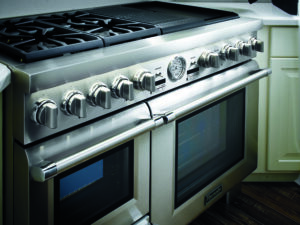
Dual-Fuel vs. All-Gas Ranges: Which Cooking Performance Matches Your Style?
When comparing luxury cooking ranges, the choice between dual-fuel and all-gas options depends on the cooking style of the homeowners. Electric ovens provide dry, stable heat while gas ovens provide moist, intense heat. Regardless, both types of ranges offer impressive, high-output gas cooktop performance. The primary difference is within the oven, not the cooking surface. Each configuration offers powerful gas burners, rapid heating, built-in griddles, charbroilers, and robust grates. However, the cooking environments provided by their oven systems differ. When buying luxury cooking appliances, it is not enough to simply count burners and check the quality of the exterior. Buyers must consider their cooking preferences and style along with operating expenses, electrical capacity, gas supply, range and oven size, different cooking modes, and long-term operating needs. Those who enjoy precision in baking and consistency in cooking across multiple racks often prefer a dual-fuel model. An all-gas model is preferred by cooks who like direct gas heat for a strong broil, prefer less complicated utility systems, and want a cooking system that is closer to a traditional restaurant range. The Mechanical Breakdown: Defining the Power Sources The main differentiator among these range configurations is how energy is used to heat the oven. All configurations feature responsive gas burners at the cooking surface. However, the systems used to generate and regulate heat within the ovens differ. How All-Gas Ranges Generate Heat All-gas ranges use natural gas or liquid propane for both surface burners and for heating the oven. Fuel is mixed with