
Front Load vs Top Load Washers: Which Laundry Setup Fits Your Home?
Replacing a washer isn’t just about selecting a finish or a list of cycles. The best front load vs top load washer choice depends on your laundry room, daily habits, household size, comfort, and future plans. A front load washer can make stacking and counter planning easier. A top load washer may offer a familiar loading motion and simple drop-in access. Both styles now include efficient models, useful wash options, and designs for different homes. This guide explains the tradeoffs so the next washer and dryer pair fits the room as well as the laundry routine.
What Is the Difference Between Front Load and Top Load Washers?
The main difference is how you load the washer. Front load models open at the front, while top load models open from the top. That choice affects how clothes go in, how the room is arranged, and whether the washer can be paired with a dryer in a stacked layout.
A front load washer cleans clothes by tumbling them inside a rotating drum. Many of the models are high efficiency washers, and some include a matching front load dryer or pedestal. A higher pedestal height makes the door easier to access but the increased height may impact the area above the machines.
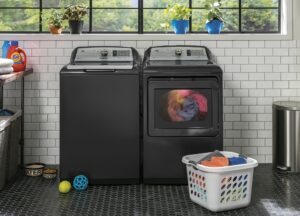
Top load washers come in two broad types: traditional agitator models and high efficiency impeller models. An agitator moves clothing through the wash water with a central post. An impeller uses a lower profile cone or disc, leaving more open space in the basket. Wash action, capacity, and cycle choices vary by model, so product specifications matter more than the label alone.
| Decision factor | Front load washer | Top load washer |
| Space planning | Can support compatible stacked layouts and folding counters above side by side units | Needs clear space above the lid for loading and unloading |
| Loading access | Door opens at the front; a pedestal may raise the opening | Clothes drop in from above; no front door swing |
| Laundry flow | Works well with side by side sorting, folding, and transferring | Convenient for quick drop in loading and adding items when allowed by the model |
| Efficiency | ENERGY STAR reports strong efficiency advantages for certified front load models | High efficiency top load models can also reduce water and energy use |
| Maintenance | Door gasket and drum drying habits deserve attention | Lid, basket, and wash mechanism care differ by model |
| Best planning question | Is stacking, counter space, or a lower water profile important? | Is top access, a familiar layout, or easy drop-in loading more useful? |
Treat the table as a starting point, not a promise about every washer. Actual dimensions, door clearance, cycle features, installation needs, and care instructions differ by manufacturer and model.
When a Front Load Washer Makes Sense
A front load washer often suits a laundry room where floor space is limited. A compatible dryer can sit above it in a stacked washer dryer arrangement, using vertical space instead of a longer wall. Stacking is not automatic, so confirm approved models and any required kit before ordering.
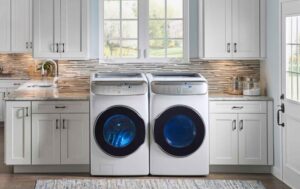
Front load machines also work well beside a counter. Side by side units can sit below a folding surface when the room is planned around their actual height. This creates a simple flow from sorting to washing, drying, and folding.
Efficiency is another reason to compare this format. According to ENERGY STAR, certified front load washers use about 50% less energy and water than traditional top load agitator models. Compared with top load impeller washers, certified front load models are still about 25% more energy and water efficient. These are broad comparisons, not promises for every model.
The front door does not need space above it, which can help under shelves or cabinets. It does need room to swing open, though. Accessibility also deserves attention: a pedestal may raise the door, but it changes the total height, reach, and storage plan.
Front load washers fit homeowners who want vertical flexibility, a counter friendly layout, or a strong focus on efficiency. They can also support a polished luxury laundry room design. A top load washer may be better when familiar access is the main priority.
When a Top Load Washer Makes Sense
A top load washer can feel simple from the first load. Clothes drop into the basket from above, which may suit households that prefer a familiar routine or often add an item during loading. Whether a running cycle can be paused depends on the model and cycle stage.
Top load design can work well when shelves or cabinets sit near the front of the appliance. The lid still needs room to open fully, so measure the machine height plus open lid clearance. A traditional agitator model offers familiar wash action, while an impeller model uses a lower profile mechanism and may provide more open basket space.
A high efficiency top load washer can be a useful middle ground for shoppers who want top access while comparing water and energy performance. The tradeoff is layout flexibility: a standard top loader is not the usual choice for a front load stacking kit, and a counter cannot sit directly above an operating lid.
Efficiency varies by model. ENERGY STAR certifies both front load and top load washers, while top load impeller models are generally more energy-efficient than traditional agitator models. Compare the yellow EnergyGuide label and ENERGY STAR information rather than assuming every top load washer performs the same way.
Space Planning: Stacked, Side by Side, Pedestals, and Doors
Planning your laundry room layout is just as important as choosing the machine. One of the best things about front load washers is that they are often stackable. You can put a matching dryer right on top of the washer. This is a huge help in small homes or apartments where floor space is limited. You can also find stacked washer dryer units that are built as one single piece, often called laundry centers.
If you prefer a side by side setup, you have more options for the space above your machines. With front loading washing machines, you can install a long counter over the top of both units. This gives you a perfect flat surface for folding clothes or sorting laundry. If you find the machines are too low, you can add laundry pedestals. These sturdy bases sit under the machines and raise them by about a foot. Many pedestals also include a drawer for storing detergent and supplies.
For very tight spaces, you might consider washer dryer combinations. These all in one units can wash and dry your clothes in the same drum. They’re compact and take up less space than two separate machines. When you are measuring your space, always remember to check the door swing. Front load doors need room to open wide so you can get large baskets in and out. Top load lids need vertical clearance so they do not hit cabinets above the machine
Maintenance and Daily Use Differences
Every washer needs basic care, but the routine is not identical. Follow the owner’s manual for detergent amounts, cleaning cycles, filter checks, and service intervals. Using too much detergent can create residue in any washer, especially when the machine uses less water.
Front-load washers have an airtight door seal during operation. ENERGY STAR advises leaving the door ajar after use so moisture can evaporate, while keeping children away from the open machine. Wiping the gasket and detergent drawer according to the manufacturer’s instructions can also help keep the area fresh.
Top load washers do not use a front door gasket in the same way, but that does not mean they are maintenance-free. The lid, basket, dispensers, and wash mechanism still need the care listed in the manual. Some models have different cleaning cycles, filters, or detergent rules.
Laundry habits matter as much as washer design. ENERGY STAR cloth washers recommend running full loads when practical because a washer uses about the same amount of energy regardless of load size. Cold water cycles can also reduce energy use because heating water is a major part of washer energy consumption.
The best routine is the one that will actually be followed. A homeowner who prefers a front load washer should plan for door and gasket care. A homeowner who chooses a top load washer should plan for lid clearance and regular basket care. Neither format eliminates maintenance.
Which Washer Fits Your Household?
The right choice depends on your specific needs. If you live in a small apartment, a compact front load model or a high efficiency washer combo might be best. These fit into closets and small corners easily. For a large family that does ten loads of laundry a week, a high capacity front load washer will save the most money on water and power bills over time.
If you are looking for a washer buying guide tip, think about your physical comfort. If bending down is hard, a top load machine or a front load unit on a pedestal is the way to go. If you want a luxury laundry room appliance with a clean, built-in look, front load machines tucked under a custom counter look very professional and sleek.
Universal Appliance and Kitchen Center offers many colors and styles. You can choose from classic white, modern gray, or even black stainless steel to match your home’s decor. No matter which style you pick, choosing an ENERGY STAR certified model ensures you are getting a machine that is tested for performance and efficiency.
FAQs about Front Load vs Top Load washer
Is a front load or top load washer better?
Neither style is best for every home. Front load washers often make more sense for stacking, counter planning, and efficiency focused buyers. Top load washers may be better for shoppers who prefer top access, a familiar routine, or a room with plenty of open space above the appliance.
Can any front load washer and dryer be stacked?
No. Confirm that the specific washer and dryer are approved for stacking and that the required kit is available. Check the finished height, controls, door clearance, service access, and installation instructions before ordering.
Are top load washers easier to use?
That depends on the person using the machine. Top access may feel easier for some households, while a raised front load washer may be more comfortable for others. The best choice is the one that fits the user’s reach, mobility, and laundry habits.
What should be measured before washer buying?
Measure the opening, appliance depth, delivery path, door or lid clearance, water and drain connections, electrical or gas requirements, and space for service. For a stacked setup, measure total height and ceiling clearance. Always confirm final dimensions in the manufacturer’s specifications.
Conclusion
The right front load vs top load washer format should make laundry easier, not force the room to work around the appliance. Front load washers are strong choices for stacking, counters, and efficiency goals, while top load washers offer familiar access and flexible drop-in loading. The best decision comes from matching the opening, daily routine, accessibility needs, and care habits to a specific model. Compare laundry appliances, washers, dryers, and washer dryer combinations through UAKC.com, then confirm dimensions and installation details before purchase.
- Front Load vs Top Load Washers: Which Laundry Setup Fits Your Home?
- Appliance Rebates in 2026: How to Compare Brand Promotions Without Buying the Wrong Package
- Luxury Appliance Packages in 2026: How to Match Your Refrigerator, Range, Dishwasher, and Ventilation
- Luxury Laundry Appliances for 2026 Remodels
- Wall-Mounted vs. Deck-Mounted Tub Fillers: Luxury Bathroom Fixture Planning in 2026
- Trash Compactors and Recycling Cabinets: Hidden Kitchen Cleanup Zones for Luxury Remodels in 2026
- Outdoor Hoods for Covered Patio Kitchens
- Column Freezers vs Upright Freezers
- Hood Inserts vs Statement Range Hoods
- Quiet Dishwashers for Open-Concept Luxury Kitchens: dBA Ratings, Drying Systems, and Panel-Ready Design in 2026