
Built-In vs. Counter-Depth Refrigeration: Which Is Right for Your Luxury Kitchen?
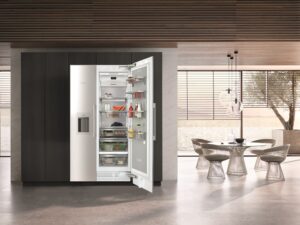
When choosing between a built-in vs. counter-depth refrigerator, you should know that built-in models offer a flawless, seamless design with custom cabinetry. Counter-depth units project slightly in front of the counters, but they offer more design flexibility and a lower cost.
In a high-end kitchen, selecting integrated refrigerator vs built-in models impacts more than the look of the refrigerator. It influences the design of the cabinetry, the space for walkways, and the access to and arrangement of kitchen storage, all of which impact kitchen workflow during food preparation.
Homeowners looking for a cohesive, elegant, and permanent kitchen design should choose built-in refrigeration. Alternatively, for homeowners seeking a more streamlined and organized kitchen with less cabinet disruption, a counter-depth refrigeration option is suitable.
Knowing the differences between the two will assist in examining your kitchen design preferences, culinary needs, and future plans.
Defining the Profiles: Built-In and Counter-Depth Explained
Knowing what refrigerator model works best for your kitchen helps you plan cabinet depth, walkway space, storage needs, and final kitchen style. Counter-depth and built-in models both help the kitchen look better, but require different space and have different functions for regular use.
Built-In Refrigerators
A built-in refrigerator, typically larger than a standard refrigerator, is made to fit inside a cabinet opening. It has a close alignment with surrounding cabinetry, providing a refrigerator option that complements the kitchen cabinetry and is aesthetically pleasing.
Built-in refrigerators can be found in most luxury kitchens where they complement the pantry cabinets, wall ovens, and full-height storage. Depending on the kitchen style and the brand choice, they can also have a custom look by featuring a custom panel or a stainless-steel panel.
Counter-Depth Refrigerators
A counter-depth refrigerator has a shallow body that lets it sit closer to the edge of the counters. This design provides the kitchen a more streamlined appearance compared to standard freestanding models. However, the doors and handles may still extend slightly beyond the cabinetry.
When comparing built-in vs. counter-depth refrigerator, counter-depth models are usually easier to install and more flexible for remodels. If you want better flow in your kitchen with a more streamlined look, but prefer not to have custom cabinetry, counter-depth models can be the better choice for you.
The Integrated Evolution: Moving Beyond Built-In
Fully integrated refrigeration takes built-in models a step further by completely hiding the appliance within custom cabinetry. This hidden look also supports premium kitchen design trends focused on clean lines and seamless layouts. Below are the primary features that distinguish fully integrated units.
Integrated Units Hide Visible Hardware
Standard built-in models may fit flush, but exposed hinges, metal trim, framed edges, and top grilles can show. Fully integrated units conceal these parts behind cabinet panels, tight reveals, and concealed hinges, making the wall appear to have custom storage.
Column Units Separate Cooling Zones
Fully integrated column refrigeration allows for the separation of refrigerator, freezer, and wine storage into their own individual modules. Each column acts as a separate cooling zone, allowing storage to be placed closer to the prep, cooking, or serving areas without the bulky visual distraction of a large unit.
Ventilation Stays Less Exposed
Standard built-in refrigerators typically have top grilles or trim for airflow across the cooling system. Fully integrated columns, however, vent through the toe kick or through a hidden cabinetry path, allowing the appliance face to stay even and smooth and the cabinet wall balanced.
Custom Panels Match Cabinetry
Integrated columns allow for custom panels that match with surrounding cabinet doors and drawers. This design is in contrast with standard built-in systems, which have stainless, fronted, overlay panels or trim kits. With the right panel thickness, handles, and reveal spacing, a refrigerator can perfectly blend into cabinetry.
Compared to built-in models, fully integrated columns fit more seamlessly with cabinetry, but require much more planning and precision. The cabinet opening, weight of the panels, hinge clearance, ventilation space, electrical placement, and service connections all need to follow some brand-specific instructions, such as forSub-Zero refrigerators; the official Sub-Zero manufacturer technical guidelinesshould be followedto prevent expensive changes during installation and later on.
Comparing Performance, Capacity, and Brand Offerings
When comparing premium refrigeration, homeowners should consider the cooling design, storage space, and brand engineering. Built-in, integrated, and counter-depth refrigeration can look very similar from the front, but there can be significant differences in long-term performance, inner systems, and cabinet fit.
Performance
Performance is a differentiating factor for premium systems. Many built-in and integrated models use dual compressors or separate cooling systems to independently control refrigerator and freezer zones. This results in greater control of humidity, airflow, and temperature. When comparing built-in and counter-depth refrigerators, built-in models generally provide better food preservation than standard counter-depth models.
Capacity
Capacity is dependent on depth, width, height, and configuration. Counter-depth refrigerators provide a more unified look, but their shallow depth can result in limited storage for bulk food and large containers. Built-in options can scale up to widths of 48 or 60 inches, providing more storage in luxury kitchens without increasing cabinetry depth.
Brand Offerings
Manufacturers build refrigeration systems based on their own design strengths, which is why brand offerings differ. Sub-Zero is known for preservation, built-in design, and flexible column systems. Thermador supports luxury suites and flexible columns. Monogram offers attractive and effective systems, while Dacor offers modern systems that are pleasing to the eye.
At Universal Appliance and Kitchen Center, you can easily compare these luxury refrigeration brands, including Miele, Bosch, Gaggenau, Viking, JennAir, and KitchenAid.
Installation and Cabinetry Constraints to Consider
A refrigerator that looks simple in design may have complex behind-the-scenes requirements. These may include issues like wall depth, cabinet opening, flooring, the electrical outlet location, water line, door swing, combined weight of the panels, and the path for air circulation.
Consider the following factors each time before choosing any built-in refrigerator, a counter-depth unit, or a column refrigeration system:
- Cabinet Opening Precision: Built-in refrigerators need exact cut-out dimensions. If the opening is too tight, the unit won’t slide in properly. If it is too loose, the unit will look misaligned.
- Finished Depth: Counter-depth models may extend beyond the cabinets because doors and handles are included. Built-in and integrated models require further consideration as flush panels, cleats, and inset cabinet details may necessitate additional depth.
- Electrical Location: Outlets must be located according to the appliance guide. An outlet that is poorly located can push the refrigerator forward and ruin the straight, clean lines on the face of the cabinetry.
- Water Supply Path: Planning is required for the water lines for ice makers and water dispensers. If the water line is not properly recessed behind the unit, it can prevent a flush installation.
- Panel Weight Tolerance: There are limits for custom door panel thickness and weight for panel-ready refrigerators. If heavy door panels are used, they can strain the hinges.
- Ventilation Needs: Built-in and integrated models require specific airflow. If the grille, toe-kick, or rear ventilation areas are obstructed, it can negatively affect the refrigerator’s performance and may impact the warranty coverage.
- Door Swing Clearance: Nearby cabinetry, walls, islands, and pantry doors can restrict the swing of refrigerator doors. For maximum access to drawers and for everyday use, doors should be able to swing fully.
- Floor Strength and Leveling: Built-in refrigeration can be heavy. Flooring should be prepared and leveled before installing.
- Service Access: Luxury appliances need to be installed in a way that makes them accessible for service. An aesthetically pleasing installation should not seal the unit in.
- Matching Cabinet Lines: Integrated units require coordination between the cabinet maker, appliance supplier, designer, and installer. Even the slightest measurement error can result in uneven gaps around the panels.
Frequently Asked Questions
Does a built-in refrigerator add value to your home?
Yes, built-in refrigerators can add value to your home, especially when considering the entire luxury kitchen. Built-in refrigeration is designed to be flush, seamless, and integrated with high-end cabinetry, making it a perfect addition to a luxury kitchen design.
Is counter-depth the same as built-in?
No, built-in and counter-depth are not the same. A counter-depth refrigerator is shallower than a standard refrigerator, and a built-in refrigerator is one that is fully integrated into custom kitchen cabinetry for a seamless look.
Which option is better for a luxury kitchen?
For a complete luxury remodel, integrated refrigeration or built-in systems offer flexible design options, cleaner cabinet lines, and access to exclusive configurations offered by premium brands.
What is the main difference in the integrated refrigerator vs built-in comparison?
The big difference is visibility. Built-in models leave grilles, trim, or stainless elements exposed. Fully integrated units use custom panels, with all details concealed, and are designed to seamlessly blend with cabinetry.
Do counter-depth refrigerators have less storage?
Counter-depth refrigerators have less storage capacity than standard models because they have less depth. To overcome this pain point, some brands now offer wider layouts, better shelving, or taller designs.
Are built-in refrigerators harder to install?
Yes, built-in refrigerators are more difficult to install than counter-depth models because more variables have to be considered, including the cabinet openings, electrical points, water lines, panel dimensions, leveling, and ventilation.
Which option works best for a remodel?
A counter-depth refrigerator is a good option for partial remodels or just replacing appliances. If you’re planning to remodel cabinets, walls, and the entire kitchen layout, look into built-in or integrated appliances.
Making the Final Decision for Your Architectural Layout
Your kitchen design and layout impact which appliance you choose now and in the future. The decision between built-in vs. counter-depth refrigerator can be based on your budget, cabinetry design, premium kitchen design trends, the kind of storage you need, and the value you hope to get from the appliance over time.
Choose Built-In for a Permanent Look
Homeowners who prioritize a fixed, custom, high-end kitchen design should opt for built-in refrigerators. These refrigerators are ideal for full remodels, new builds, and luxury spaces, as they seamlessly align with tall cabinetry, pantry walls, and premium appliance zones.
Choose Counter-Depth for Flexibility
A counter-depth refrigerator helps maintain aesthetics with less disruption to cabinet configuration. Compared to traditional freestanding options, counter-depth models are less bulky and help streamline kitchen design, making it useful for kitchen updates, partial remodels, and tighter budgets.
Consider Your Storage Needs
Bigger families or those who cook or host parties may need more space and should opt for larger models. Smaller families or those who shop frequently might find the storage space of premium counter-depth units adequate and offer a seamless kitchen flow.
Match the Refrigerator to Your Budget
Purchasing counter-depth units is usually more affordable. Buying built-in and integrated refrigeration units is usually pricier because of the custom cabinetry, panel planning, and more precise installations. However, they can also add stronger long-term design value to a luxury kitchen.
Think About Long-Term Plans
If you plan on living in your home for a long time, it may be a good idea to invest in built-in or integrated refrigeration. If you want something that looks clean with less construction, a counter-depth model offers a polished appearance and practical everyday performance.
Explore Premium Refrigeration Options at a UAKC Showroom
Seeing the different styles of refrigeration in person makes the decision between an integrated refrigerator vs built-in vs counter-depth easier. Spec sheets and product photos can highlight many aspects of a product, but they don’t show display depth, handle lengths, shelf alignment, lighting, panel options, or how the refrigerator feels in a real kitchen setting.
The Universal Appliance and Kitchen Center showrooms allow homeowners, designers, builders, and remodelers the opportunity to see different refrigeration options side by side in one place. This helps visualize the different brands, sizes, finishes, and options in a luxury kitchen.
Universal Appliance and Kitchen Center offers a variety of refrigeration options from leading refrigeration brands such as Sub-Zero, Thermador, Monogram, Dacor, Miele, Bosch, Gaggenau, Viking, JennAir, and KitchenAid. Whether you want built-in, counter-depth, or fully integrated column refrigeration, our staff can assist in reviewing capacity, installation, and panel preferences, as well as the different appliance package options.
Our high-end refrigeration showrooms help you determine the perfect centerpiece for your kitchen. Visit Universal Appliance and Kitchen Center today and select modern refrigeration solutions with confidence.
- Luxury Laundry Appliances for 2026 Remodels
- Wall-Mounted vs. Deck-Mounted Tub Fillers: Luxury Bathroom Fixture Planning in 2026
- Trash Compactors and Recycling Cabinets: Hidden Kitchen Cleanup Zones for Luxury Remodels in 2026
- Outdoor Hoods for Covered Patio Kitchens
- Column Freezers vs Upright Freezers
- Hood Inserts vs Statement Range Hoods
- Quiet Dishwashers for Open-Concept Luxury Kitchens: dBA Ratings, Drying Systems, and Panel-Ready Design in 2026
- Dual-Fuel vs. All-Gas Ranges: Which Cooking Performance Matches Your Style?
- Reimagining the Kitchen Layout: The Ultimate Guide to Column Refrigeration
- What Is a Speed Oven? Why This Hybrid Appliance Redefines Luxury Kitchen Architecture