
Built-In Coffee Machines vs Countertop Espresso Machines: Which Is Right for Your Kitchen?
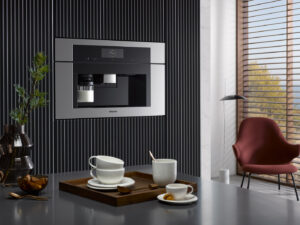
There are many differences when comparing a built-in coffee machine vs an espresso machine with respect to convenience, design, and control. Built-in coffee machines are designed for automation and convenience in daily usage. Meanwhile, countertop espresso machines are flexible, offer a hands-on experience, and are more affordable.
If you want to make your kitchen feel modern with a clean look, built-in coffee machines are good because they blend with your cabinetry and make drinks with the push of a button. Built-in coffee machines are getting popular in Southern California because of convenience. If you are looking for premium designs, you can explore built-in coffee machines at Universal Appliance and Kitchen Center.
Coffee lovers who want control over their coffee-making usually go for countertop espresso machines. This is because they like customization, such as adjusting grinder settings. They like doing things like tamping espresso themselves as well as testing out all the different ways to brew coffee.
Choosing the best one varies from person to person. It depends on your coffee habits, kitchen layout, and how much you want to make your coffee.
What Is a Built-In Coffee Machine?
Built-in coffee machines fit directly into your cabinetry, just like ovens and microwave drawers. These machines have features to brew coffee automatically and have a pleasing, integrated look.
Most premium built-in systems include the following:
- One-touch espresso and coffee drinks
- Automatic milk frothing
- Programmable user settings
- Bean grinders
- Self-cleaning cycles
- Adjustable drink sizes and strengths
Because built-in coffee systems support a better-organized and clearer countertop, they are popular with homeowners looking to reduce countertop clutter. Miele, Thermador, JennAir, and Gaggenau are popular for designing built-in coffee stations, making them a smart appliance for new luxury kitchens.
This trend is especially true for large remodels where coffee stations are designed with custom refrigeration and custom cooking appliances. The built-in systems are designed to allow homeowners to brew their daily coffees, lattes, cappuccinos, espressos, and americanos with the push of a button.
What Is a Countertop Espresso Machine?
A countertop espresso machine sits on the counter and comes in different styles, sizes, and prices. Some machines are completely manual; others offer semi-automatic or fully automatic brewing.
Espresso machines are loved by many coffee addicts. They offer more control over the following:
- Grind size
- Water temperature
- Brewing pressure
- Extraction time
- Milk frothing techniques
Unlike built-in systems, countertop espresso machines can be moved, upgraded, or replaced easily without changing cabinetry. Espresso enthusiasts can also enjoy the ability to repeat the daily ritual of grinding, tampering, and steaming rather than pushing a button to brew.
Countertop espresso machines provide flexibility for homeowners who aren’t planning kitchen remodels or prefer experimenting with different coffee setups over time.
Performance Comparison: Automation vs Control
Choosing automation vs. manual brewing methods can really change your everyday coffee experience. Automation methods are geared to speed and convenience, whereas manual methods can be more flexible and precise for the user who enjoys customizing every part of the process.
Ease of Use
Built-in coffee machines prioritize speed and ease of use. Most of them can prepare your coffee drink at the push of a button. This option is ideal for busy mornings and hectic schedules. Countertop espresso machines, on the other hand, require you to grind coffee, tamp it, and steam milk. People who want to be involved in making their coffee prefer these machines.
Coffee Quality and Customization
Countertop espresso machines give the option of controlling the grind size, extraction time, and milk texture, which allows users to customize each cup. In contrast, built-in coffee machines use preset programming to control every aspect of the brewing process. This enables the machine to produce a consistent, high-quality cup of coffee with minimal effort and adjustment from the user.
Variety of Beverages
Built-in coffee machines can automatically prepare a large variety of drinks, such as cappuccinos, lattes, espresso shots, and Americanos. Some machines come with built-in milk frothing, which saves you from having to buy a separate frother. On the other hand, countertop coffee machines can also brew specialty drinks, but some drinks may require extra accessories, tedious manual work, or a specific brewing skill.
Design and Kitchen Integration
When designing a kitchen, one important consideration for homeowners is whether to use a built-in or countertop coffee machine. Both options have the ability to enhance the coffee experience, but each has a significant impact on the design of the kitchen.
Seamless Built-In Appearance
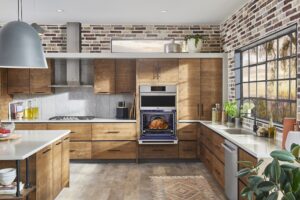
Built-in coffee machines are seamlessly integrated with cabinetry for a clean and straight-lined kitchen design. Many homeowners value built-in coffee machines, as they can be integrated with cabinetry, ovens, and warming drawers, creating a more luxurious remodeled kitchen and keeping the countertops clean.
Countertop Machines as Visible Features
Espresso machines sit on countertops and stand out in a kitchen. Some of the fancier models can add a sophisticated touch to your kitchen, but they take up a lot of valuable counter space, making your kitchen look even more cluttered than it is, especially if you have a small kitchen.
Matching Modern Kitchen Styles
Today’s upscale homeowners prefer modern kitchen design trends that favor open spaces, hidden appliances, and clear surfaces. Built-in coffee systems and other integrated appliances are becoming increasingly popular because they make kitchens look and feel more cohesive and balanced.
Space and Installation Considerations
The type of coffee machine you buy will depend on the layout and design of your kitchen. Machines that are built into your cabinetry will require a greater commitment of time and flexibility when compared to machines that sit on your counter. This is especially true if you are undertaking a remodel of your kitchen with new appliances.
Built-In Installation Requirements
Built-in coffee machines need specific cabinetry and professional installation. Homeowners like to add these machines during remodels to achieve an integrated look. These machines may require electrical outlets and ventilation. Because of these factors, planning the kitchen design in advance can help ensure a smooth, effective installation.
Countertop Flexibility and Convenience
Countertop espresso machines are a lot more convenient to install. These machines can be moved, replaced, or upgraded with no additional cabinet work because they only need to sit on the counter and plug into a wall socket. This flexibility makes these machines probably the best option to install in your kitchen.
Managing Kitchen Space Efficiently
Countertop and built-in espresso machines differ when it comes to available kitchen space. Designed as a one-piece appliance, built-in coffee systems help keep the kitchen decor neat and orderly. Countertop systems need milk frothing, steaming, and even more espresso accessories and tools, which can take up a lot of space on your counter.
Cost Comparison and Long-Term Value
Countertop and built-in espresso machines differ when it comes to available kitchen space. Designed as a one-piece appliance, built-in coffee systems help keep the kitchen decor neat and orderly. Countertop systems require milk frothing, steaming, and other espresso accessories and tools, which can take up a lot of space on your counter.
Upfront Costs and Installation
Built-in coffee machines are usually more expensive because they require professional installation and custom cabinets. When incorporating them into existing kitchens, they may even require some electrical work and other design planning, which can increase the cost. Countertop espresso machines are much more affordable and can be installed in your kitchen without any extra remodel cost.
Long-Term Convenience and Daily Use
Many homeowners see a long-term value in built-in systems. They see an overall return in added convenience, automation, and a streamlined kitchen. For homes that brew multiple cups of coffee a day, the cost of one-touch brewing is justified compared to the price of manual countertop setups over time.
Flexibility and Future Upgrades
Countertop espresso machines allow homeowners to easily replace or upgrade machines as technology evolves. Since machines are not built into kitchen cabinetry, changing equipment does not require renovations. These machines appeal to homeowners with a low long-term commitment, or for those who enjoy and are willing to spend on new equipment.
Maintenance and Cleaning Requirements
Coffee machines need regular cleaning to continue making your coffee delicious. Built-in coffee machines and countertop espresso machines have different cleaning needs, and the process can feel really different based on the machine type and level of automation.
Built-In Coffee Machine Maintenance
Built-in coffee machines are ideal for busy households because they are designed to prioritize your time. Many built-in machines come equipped with automatic rinsing and self-cleaning features that make coffee maintenance a breeze.
- Luxury Appliance Packages in 2026: How to Match Your Refrigerator, Range, Dishwasher, and Ventilation
- Luxury Laundry Appliances for 2026 Remodels
- Wall-Mounted vs. Deck-Mounted Tub Fillers: Luxury Bathroom Fixture Planning in 2026
- Trash Compactors and Recycling Cabinets: Hidden Kitchen Cleanup Zones for Luxury Remodels in 2026
- Outdoor Hoods for Covered Patio Kitchens
- Column Freezers vs Upright Freezers
- Hood Inserts vs Statement Range Hoods
- Quiet Dishwashers for Open-Concept Luxury Kitchens: dBA Ratings, Drying Systems, and Panel-Ready Design in 2026
- Dual-Fuel vs. All-Gas Ranges: Which Cooking Performance Matches Your Style?
- Reimagining the Kitchen Layout: The Ultimate Guide to Column Refrigeration